How Are Road Milling Teeth Used in Pavement Recycling Projects?
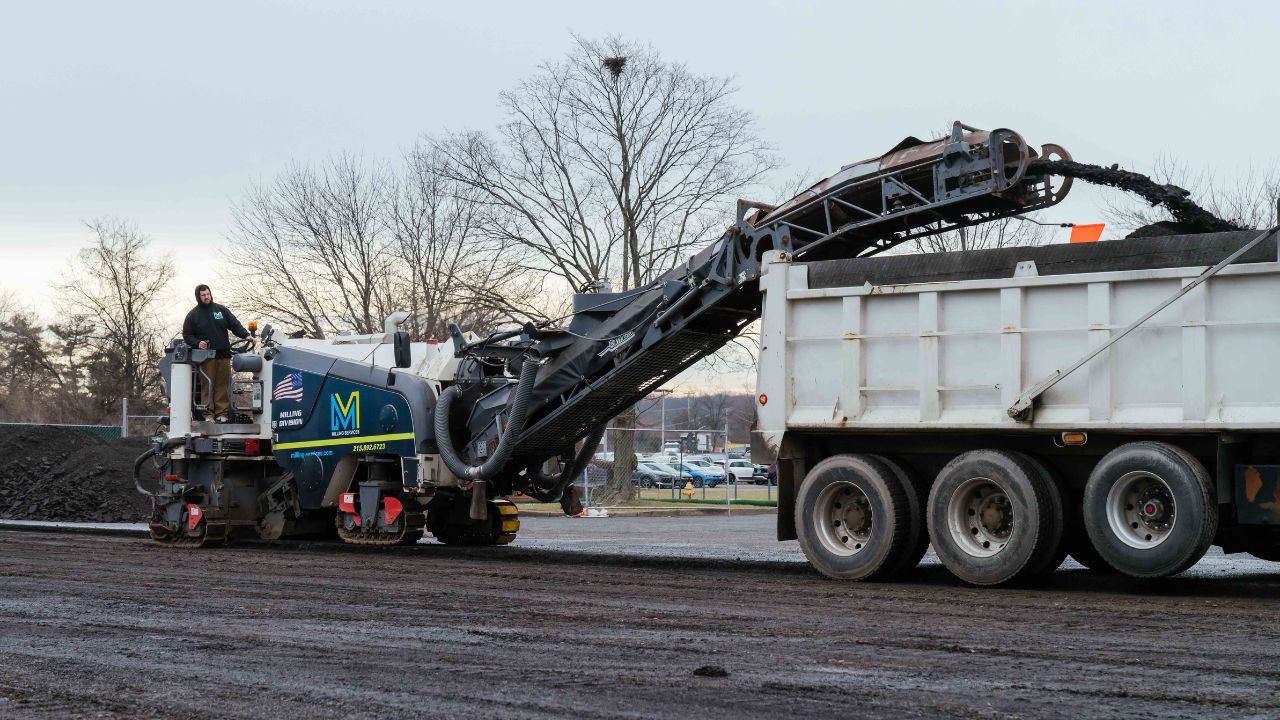
The road system must be continuously maintained to make sure that they are safe, smooth, and long-lasting. Over time, pavements decay due to the mass of traffic, weather, and deteriorating materials. Recycling of pavements has been found to be a feasible and efficient method to repair the damaged roads without necessarily having to replace them. Road milling teeth are the core of the process to read more, and they are necessary to take off and re-process the old pavement layers so as to reuse them.
Understanding Pavement Recycling
The recycling of pavements is the process whereby the current road materials are used to create or rehabilitate the road surfaces. This approach minimizes the cost of construction, minimizes environmental impact, and saves natural resources. The recycling of pavement is also highly dependent on the workability of the equipment involved, especially the road milling machine and cutting-edge components.
Role of Road Milling Teeth in Material Removal
Road milling teeth are attached to rotating drums of milling machines, and they cut and remove the surface layer of pavements. These teeth cut through asphalt or concrete and tear it into smaller and more manageable bits. When pavement recycling projects are undertaken, they make sure that they remove damaged or other worn-out layers strictly and leave the underlying structure intact in cases of necessity.
Milling teeth are designed and composed to withstand high impact forces and abrasive conditions due to the design and composition of the material. The tools are usually crafted using a tungsten carbide tip and a strong steel body that will help them to be sharp and productive even in harsh conditions. They are also efficient in cutting through hard surfaces, so that the recycling process starts with the material of the right size and can be reused.
Processing Reclaimed Asphalt Pavement
After the milling teeth have worked, the resultant material, which is commonly known as reclaimed asphalt pavement, is pooled to be processed further. This material is determined by the effectiveness of the milling teeth in their cutting action. The efficiency in milling creates uniformly sized particles, thus enhancing the uniformity of the recycled mix.
In pavement recycling projects, the reclaimed material may be transported to a plant or may be reused on-site, as in the case of cold in-place recycling. In both instances, the bonding and working of the new pavement layer is improved with the help of well-milled material. Road milling teeth thus not only contributes to removal, but also to the quality of the end product of the recycled product.
Contribution to Cold In-Place Recycling
Cold in-place recycling is a common rehabilitation method of pavement, which uses road milling teeth extensively. During this process, the current pavement is milled, combined with binding agents, and applied back without heating. The teeth used in milling are necessary to break down the pavement to the right size to be mixed with other additives like asphalt emulsified or cement.
Their accuracy enables the operators to regulate the depth and consistency of the milling process, which is required to ensure uniformity. Milling teeth helps in the success of the cold recycling operations by facilitating the proper removal and preparation of the existing surface.
Enhancing Efficiency and Productivity
Road milling teeth have a great influence on the performance and rate of pavement recycling undertaking. Good teeth minimize replacements, minimize machine downtime, and provide consistency in cutting performance. This results in a quicker completion of the project and reduced costs of operation.
Moreover, the high-tech designs like optimized body shapes and wear-resistant finishes increase durability and cutting accuracy. Such characteristics enable milling machines to work efficiently during heavy loads so that they can be productive throughout recycling.
Importance of Durability and Wear Resistance
Pavement recycling is a challenging task with severe stress and abrasion that can only be maintained with tools that can withstand. To ensure that the period of use of road milling teeth is long, the teeth are designed to be highly wear-resistant. The ability of durable teeth to minimize maintenance needs and ensure a consistent milling depth and quality.
High-grade materials like tungsten carbide are very useful in ensuring the life of the tools is greatly enhanced. This durability is critical in the large-scale recycling initiatives, whereby the efficiency of equipment determines the project schedule and budgets of the projects. Milling teeth ensures uninterrupted operations and uniform results by ensuring that their cutting ability is maintained.
Conclusion
The most important components in the pavement recycling efforts are the road milling teeth that play a crucial role in the removal, processing, and preparation of materials. These tools can be used to promote a sustainable construction process by facilitating proper reuse of the existing road materials as well as enhancing productivity and minimizing costs. With the continued increase in the significance of pavement recycling, the position of high-quality milling teeth will still stay in the limelight of obtaining a steady and effective outcome.