Why Loungewear Is Harder to Get Right Than It Looks
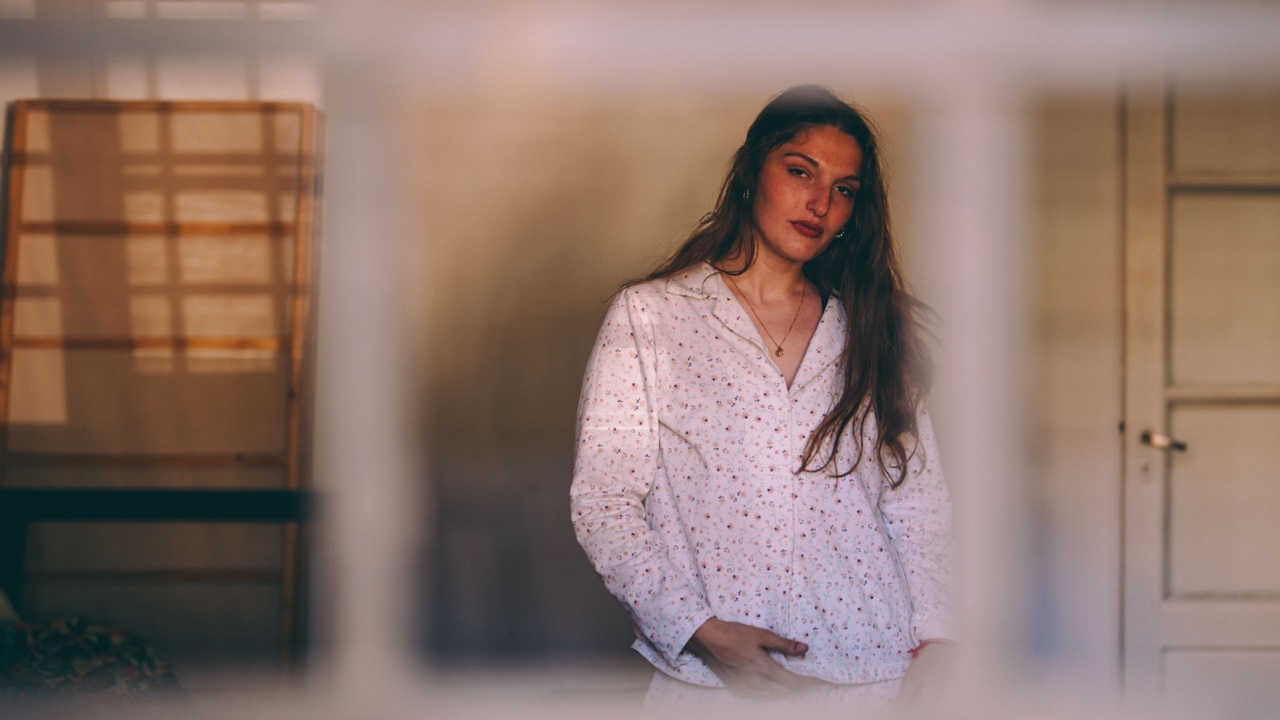
Loungewear occupies one of the most ambiguous spaces in apparel. It’s not sleepwear — it’s designed to be worn in the living room, to answer the door, to do a quick errand. It’s not casualwear either, not quite — it exists at home, in transitional moments, in the hours that don’t have a clear dress code. That ambiguity is what makes the category appealing to consumers and genuinely difficult to execute well.
The return rates tell the story. Loungewear has some of the highest return rates in online apparel, not because the sizing is hard to standardize, but because the tactile experience of the garment is central to why someone buys it — and that experience can’t be communicated through a product listing.
The Fabric Problem
Most categories of clothing can be evaluated on fit, color, and construction. Loungewear is evaluated primarily on feel. A well-constructed loungewear piece in a fabric that disappoints on touch will be returned. A slightly imperfect seam in a fabric that feels right will be forgiven.
This puts the entire category at a disadvantage in e-commerce. The photography can communicate the silhouette, the color, and the aesthetic — all the things that drive a purchase. It cannot communicate whether the modal-cotton blend has the softness the brand claims, whether the fabric pills after three washes, or whether the waistband stays comfortable after an hour on the couch. These are the things that drive returns.
Brands that do well in loungewear have typically figured out a consistent answer to the fabric question. They’ve narrowed to one or two materials they know well — a specific bamboo-viscose blend, a waffle knit at a tested weight, a brushed fleece they’ve used across multiple seasons — and they lean on those materials because they know how they perform post-wash, how they hold up to use, and what they feel like when they arrive. Brands that chase trends in fabric end up with inconsistent customer experiences and return rates that eat into margins.
The Wear Context Problem
Sleepwear has a defined context. Activewear has a defined context. Loungewear’s context is defined by the absence of a clearer context, which creates real design challenges.
A piece of loungewear that looks too much like pajamas signals that it belongs only at home, which limits how much a customer feels she can wear it and reduces the perceived value. A piece that looks too much like streetwear loses the comfort association that drives the category in the first place. Getting the visual register right — casual and intentional without being too polished or too slovenly — is harder than it sounds and requires more design judgment than most comparable categories.
The other dimension of wear context is actual functional performance. Loungewear is worn for extended periods, often in conditions of movement and sitting and lying down. The fit tolerance is less forgiving than it seems. A waistband that’s slightly too tight is acceptable in a pair of jeans you’re wearing for four hours; it’s unacceptable in pants someone is wearing all day at home. Seam placement that creates pressure points in a pair of dress trousers goes unnoticed; the same placement in a lounge set gets felt immediately.
This means that fitting and grading loungewear correctly requires actual wear-testing, not just size measurements on a form. Brands that skip this step end up with designs that look good in photos and generate complaints in reviews.
The Quality Expectation Gap
There’s a persistent assumption in the market that loungewear, being casual, doesn’t need to meet high construction standards. This is wrong, and it tends to be expensive to discover.
Consumers who are buying loungewear are often buying it as a small luxury — something comfortable for home that feels like a considered choice rather than just whatever is easiest to grab. They have higher expectations of fabric quality and construction finish than the price point might suggest, because the category has been positioned as self-care adjacent. A poorly finished seam in a $20 t-shirt is expected. The same finish in a $60 lounge set feels like a disappointment disproportionate to the price difference.
The materials that work in loungewear — modal blends, bamboo viscose, quality cotton — also require more careful handling in production than standard jersey. They’re more prone to distortion if pressed incorrectly, more sensitive to washing temperature during finishing, and more likely to show any inconsistency in stitching tension. The manufacturing process for a well-made loungewear piece is genuinely more demanding than the finished product might suggest.
Where This Leaves Brands
The brands that have built durable businesses in loungewear have done it by solving the fabric problem first and the design problem second. They know their materials, they test them thoroughly before scaling, and they don’t compromise on what the garment feels like in exchange for hitting a lower price point.
They’ve also been realistic about the wear context — designed pieces that have a clear point of view about when and how they’ll be worn rather than trying to be everything. And they’ve invested in production partnerships where the manufacturing standards match the quality claims they’re making.
Finding a lounge wear manufacturer who understands these requirements — who has experience with the specific fabrics the category demands and the quality controls that soft-touch garments require — is a meaningful part of getting the product right. The category is forgiving of some things and unforgiving of others, and knowing which is which determines whether the returns stay at a manageable rate or become a business problem.